Design · 22 July 2026
Where Every Lighting Design Begins
By Ramees Muhammed

The Anatomy of a Lighting Idea
Before a luminaire is specified or a lighting calculation is produced, every exceptional architectural lighting design begins with something far simpler, an idea.
This earliest stage of the design process is where architecture and imagination first meet. Free from technical constraints, it allows light to be explored not as a product, but as an architectural material, one capable of shaping perception, defining atmosphere, and influencing the way people experience space.
We believe the quality of a lighting project is determined long before the technical documentation begins.
Great lighting is designed before it is specified.
The First Dialogue with Architecture
Before discussing fixture schedules, beam angles, or control systems, we begin by listening to the architecture.
Every project possesses its own character, rhythm, and spatial intention. Our role is to understand how light can strengthen those qualities rather than compete with them.
This first conversation is rarely technical. It is an exploration of atmosphere, hierarchy, materiality, and human experience. Through early conceptual sketches, abstract diagrams, and visual studies, ideas begin to take form, not as solutions, but as possibilities.
These explorations establish the emotional direction that guides every design decision that follows.
More Than Lines on Paper
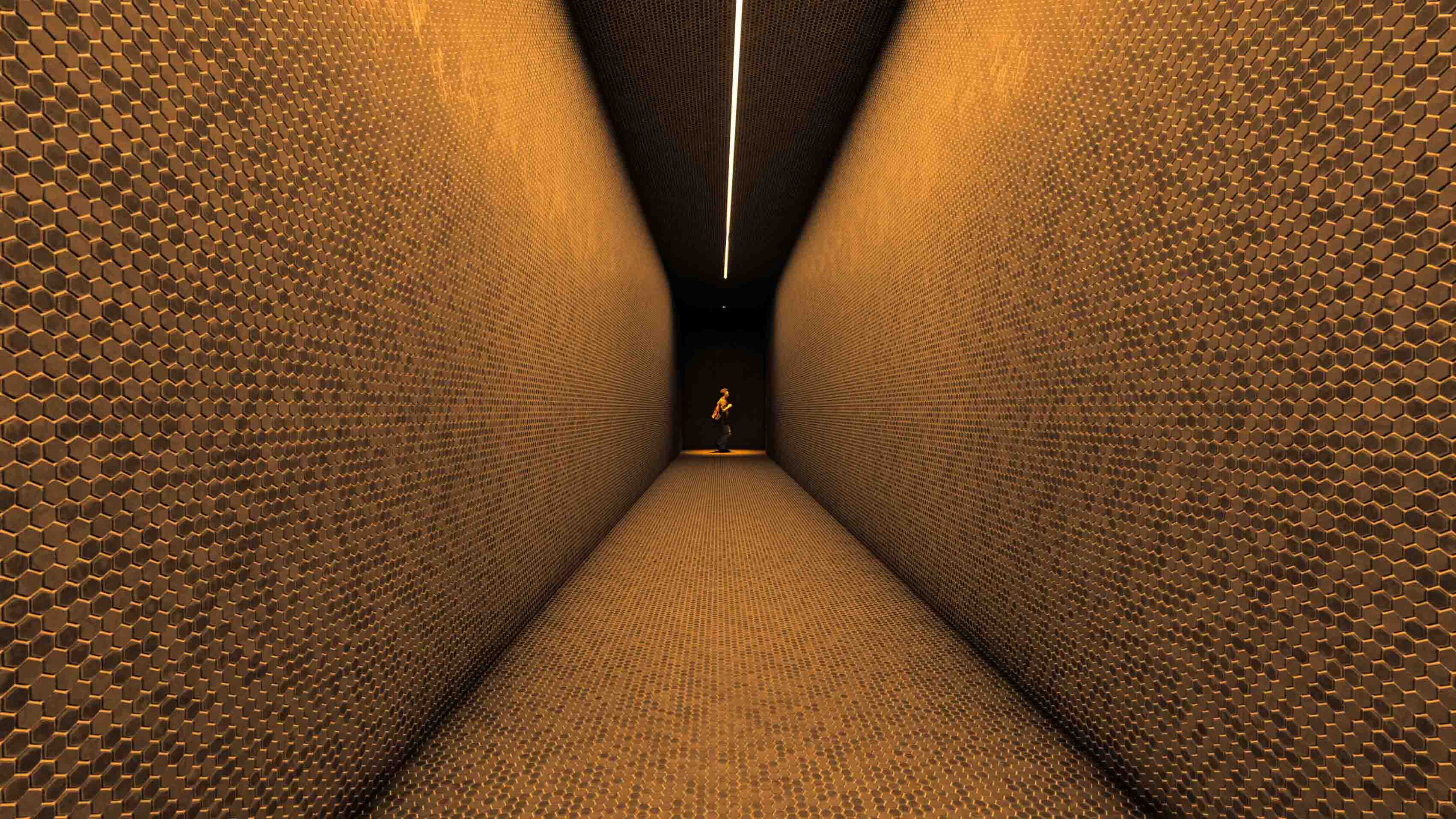
What may appear to be a simple sketch is, in reality, the first architectural expression of a lighting concept. Before calculations, specifications, or technical coordination begin, these early explorations define how light will shape perception, atmosphere, and experience.
A lighting intent sketch is not merely a drawing. It is a design tool that captures relationships which cannot yet be measured, how light dissolves a boundary, reveals the texture of a material, directs movement through a space, or creates moments of pause within architecture.
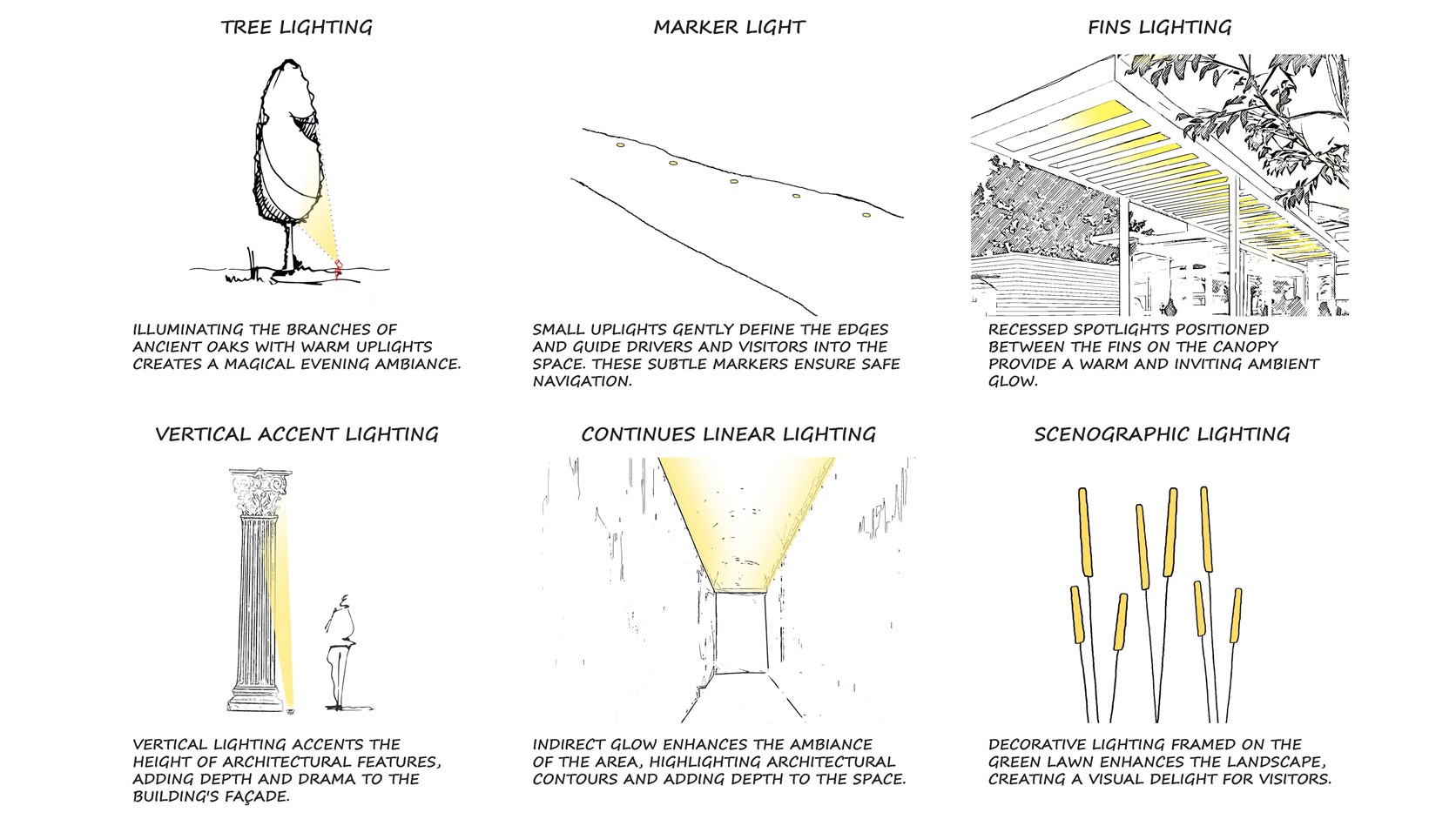
These studies allow designers to evaluate spatial experience before technical constraints begin to shape the solution.
The most important decisions in lighting design are rarely made after the specification. They are made before it.
Designing Experience Before Specification
Architectural lighting design is frequently misunderstood as the selection of luminaires.
The reality is considerably more rigorous.
Specification is the outcome of design, not its beginning.
Every luminaire, optical distribution, colour temperature, mounting detail, and control strategy should exist to support a clearly defined architectural intent. Without that intent, technology becomes decoration rather than design.
By establishing the design narrative first, every technical decision becomes purposeful, disciplined, and coherent. This approach transforms lighting from an engineering exercise into an architectural discipline that enhances both architecture and human experience.
From Concept to Built Reality
As the project develops, the original design intent remains the constant reference.
Lighting calculations validate performance. Technical drawings coordinate integration. Mock-ups refine details. On-site commissioning ensures precision. Each stage contributes to the final outcome, yet none replaces the clarity established during the earliest conceptual phase.
When the initial vision is strong, every subsequent decision reinforces it.
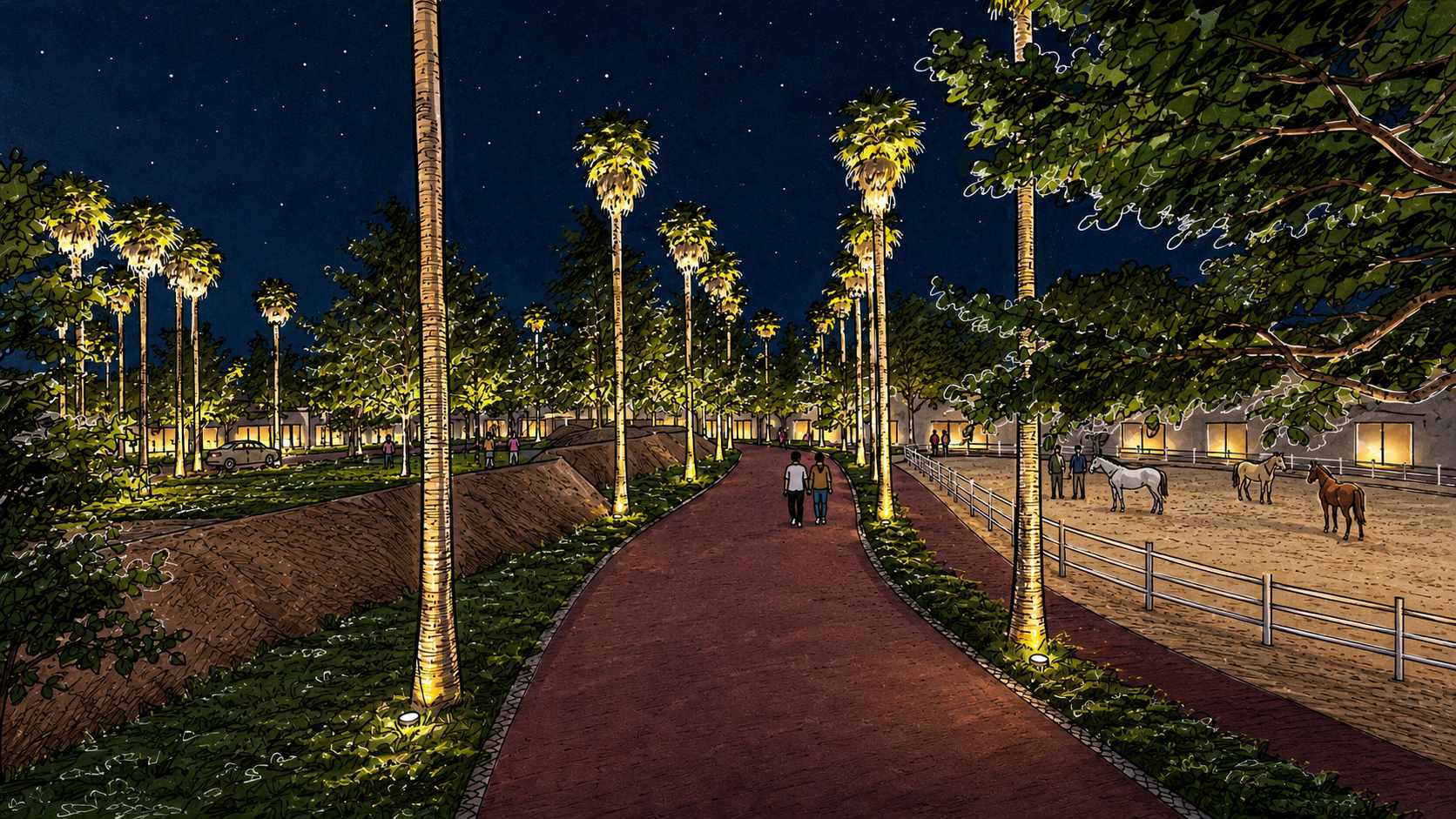
This continuity ensures that the completed project remains faithful to the original idea, allowing the built environment to communicate exactly what the architecture intended.
The Invisible Beginning of Every Memorable Space
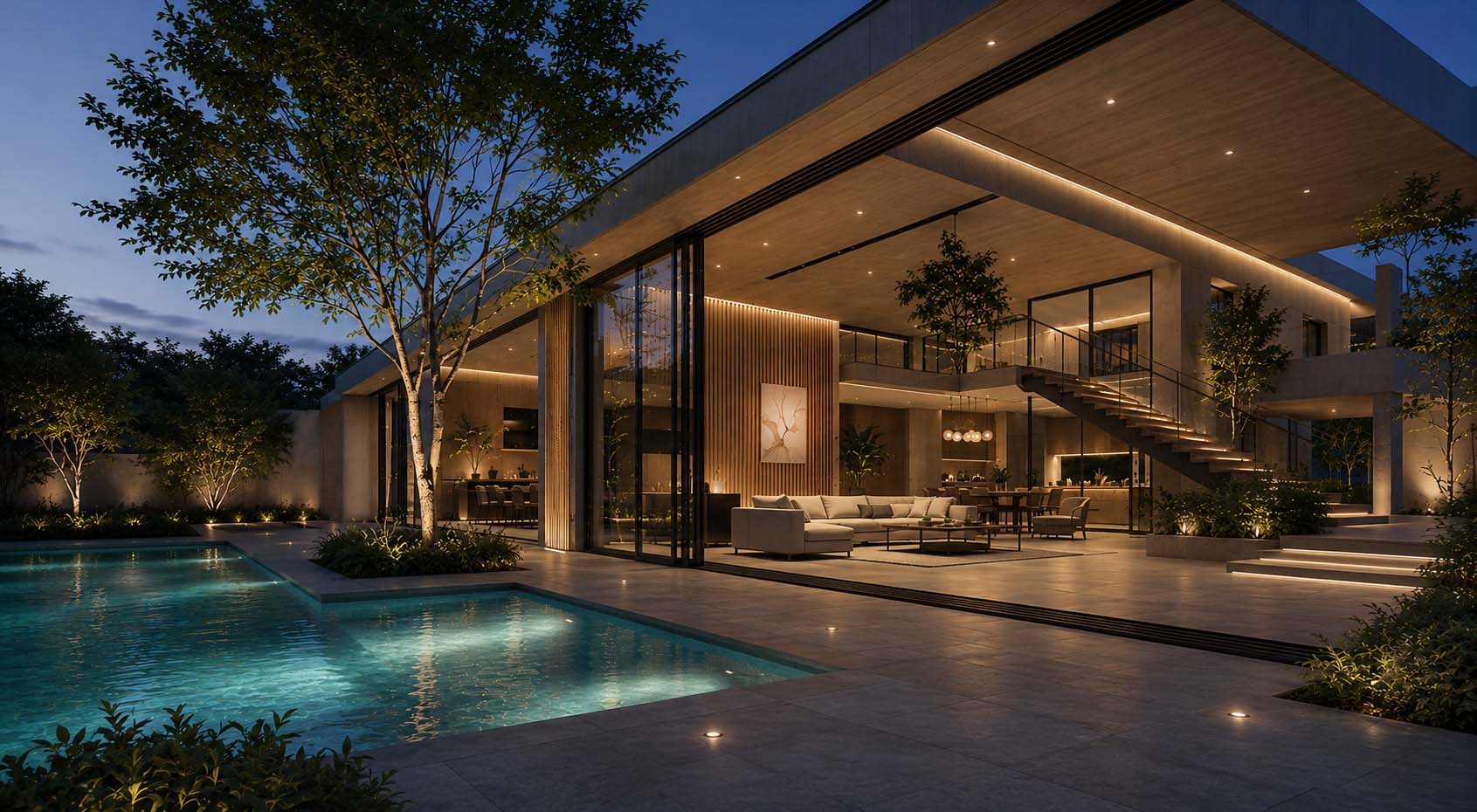
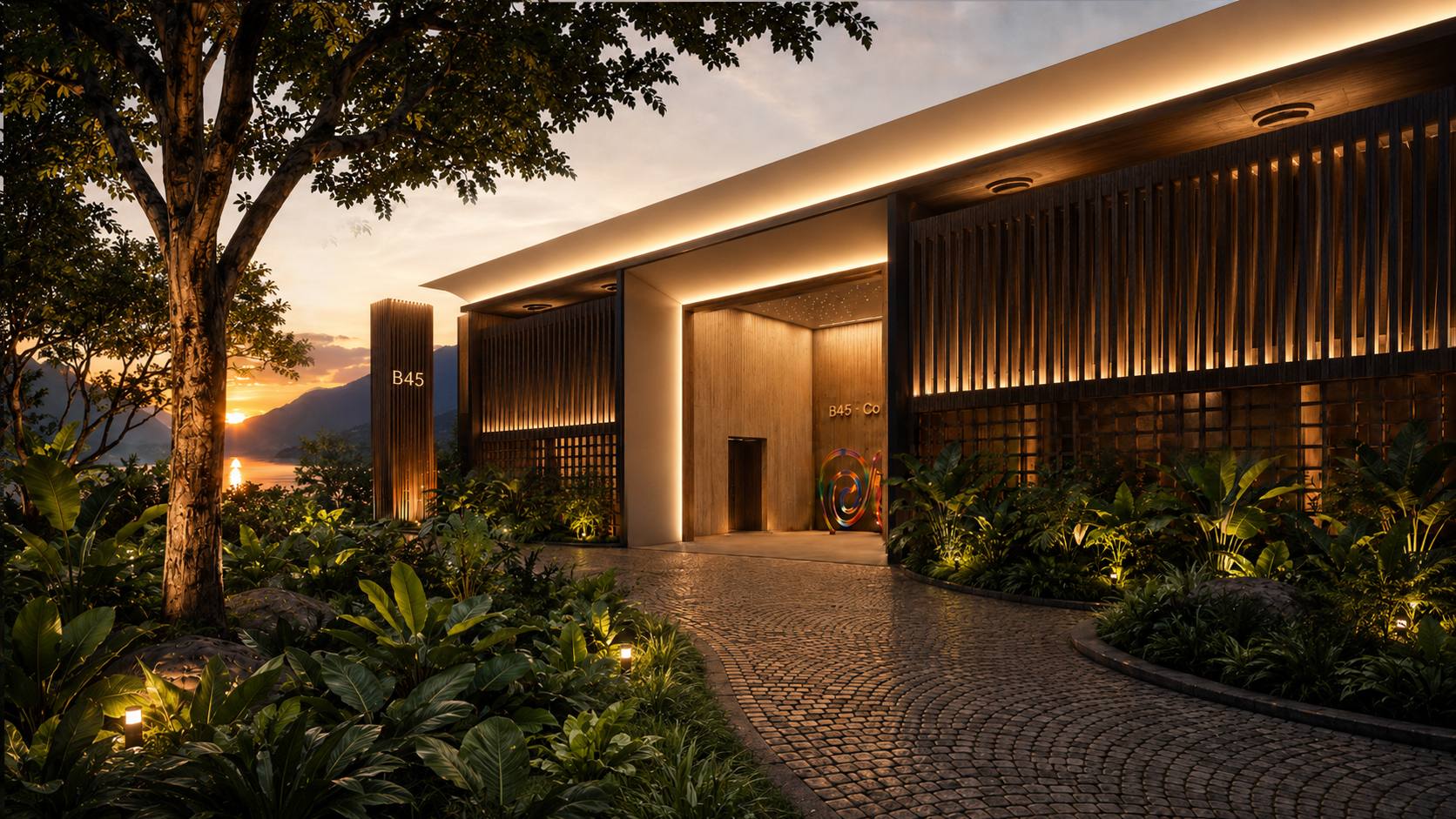
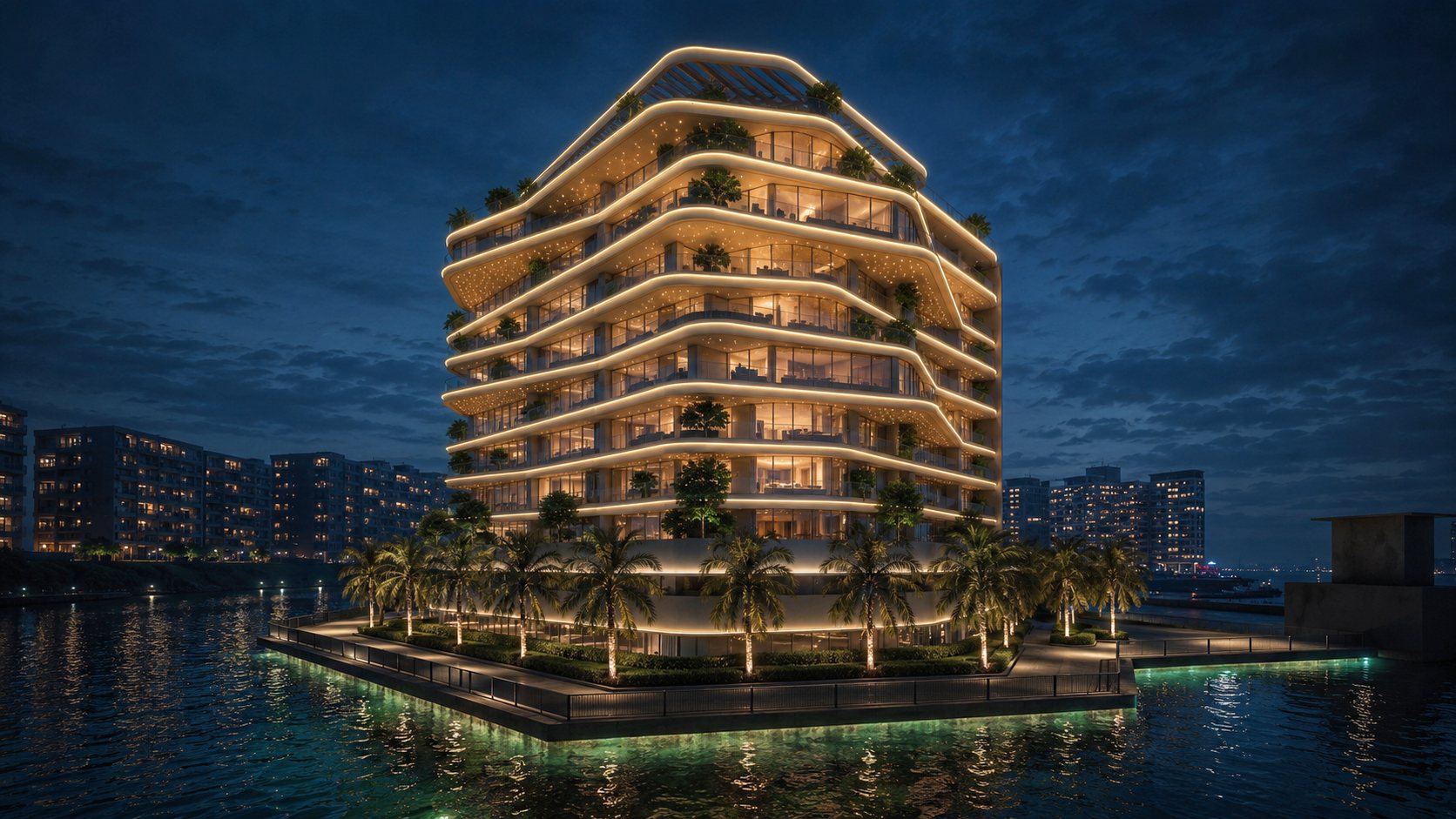
Completed photographs often celebrate the finished result. They rarely reveal where the project truly began.
Behind every carefully integrated luminaire, every balanced shadow, and every seamless transition between light and architecture lies a quieter process of observation, questioning, and exploration.
It is here that lighting evolves from illumination into experience.
Because the most successful architectural lighting is rarely remembered for the fixtures that created it.
It is remembered for the way the space made people feel.